
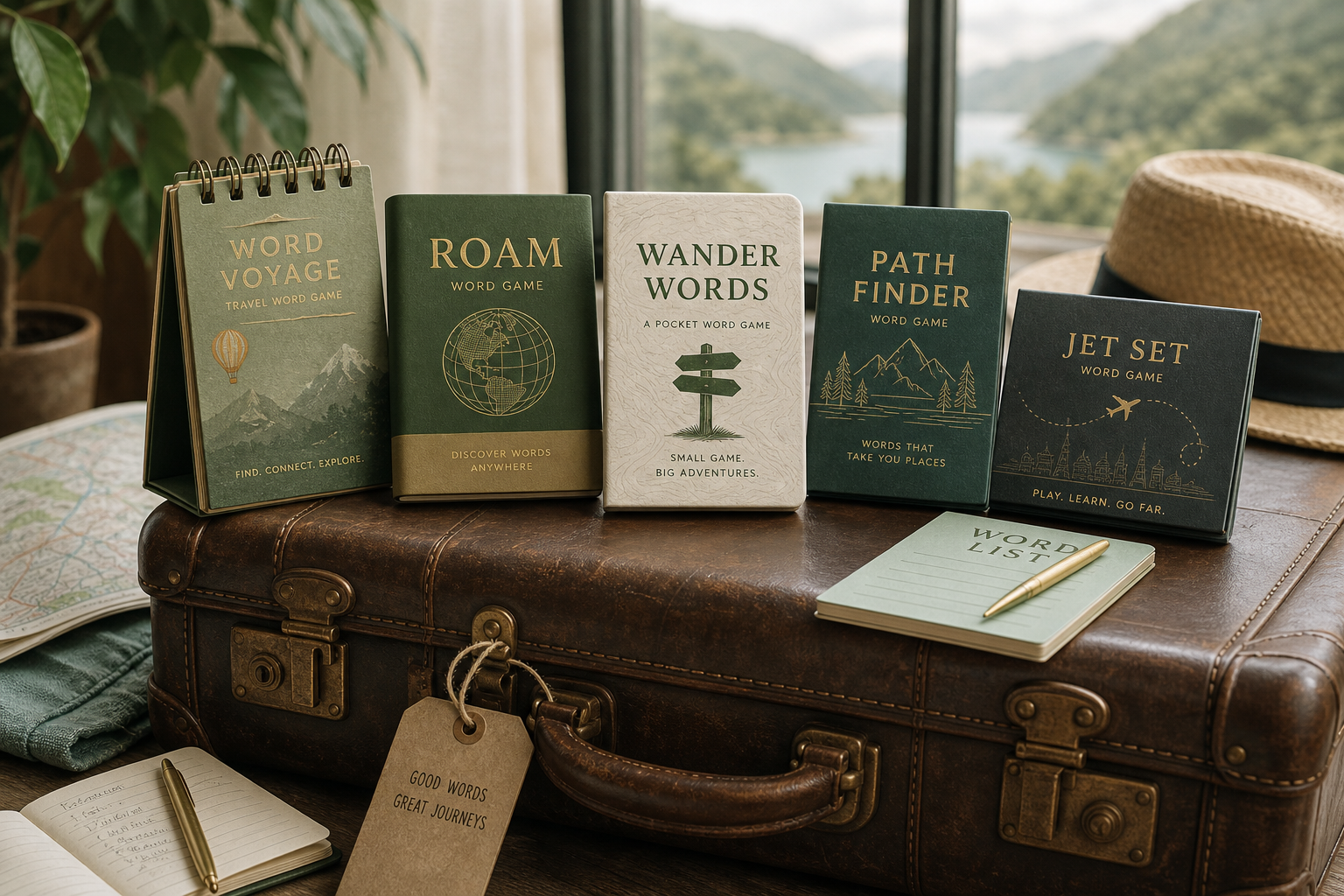
The phrase best travel Scrabble set only makes sense once you state the journey. Commuters need narrow zip footprints; caravanners accept thicker cases if counters stay put on uneven dinettes; long-haul parents need hinge silence during nap time. We rank priorities, not mythical “winners.”
Begin with three numbers: folded length, folded thickness, total mass with every tile accounted for. If a listing omits one, treat defaults with suspicion — serious designers publish geometry because travellers compare millimetres before departure day.
Match the closure
Zippered soft cases flex around odd rucksack corners but can compress inward if overloaded beside heavy bottles. Rigid plastics snap positively yet crack under baggage handlers if you skip clothing padding. Wooden deluxe travel cases radiate calm but punish sloppy packing order. Write those trade-offs in your phone Notes app before you fall for glossy photography.
For cabin-only travellers, prioritize a closure you can open with one hand while steadying luggage with the other — sounds trivial until you stand in a busy jetbridge juggling passports.
Tile behaviour matters
Magnetic systems, covered in depth on our magnetic boards page, give reassurance when trays shudder. Clip-in grids remove rattling during silent car rides but slow down quick anagram reshuffles. Neither is universally “best”; they align with different tempers and finger agility.
Handle sample tiles if possible. Surfaces that feel chalky can annoy adults with dry skin; ultra-gloss tiles reflect harsh LED strips in airport lounges. Subtle texture often beats showroom sparkle for multi-hour sessions.
Family scorekeeping
Integrated scoring sliders win when you do not want pens rolling under seats. They occasionally stick if sand sneaks in from beach holidays — rinse hands before play, or pack a soft brush for slider grooves.
Younger players sometimes tug sliders compulsively; set a house rule that only the scoring player adjusts their track to avoid arguments. Peace aboard matters as much as letter values.
Retail lines snapshot
Mattel-branded travel editions continue to serve mainstream buyers who want predictable plastic hinges and widely available spare policies abroad. Winning Moves style “to go” cases appeal to minimalists who tuck games beside ultrabooks. Premium wood runners overlap emotionally with deluxe cases yet may ship under different trademarks depending on region — always confirm warranty geography if you buy while overseas.
Marketplace bundles that mix aftermarket tiles with mismatched racks rarely qualify as best for anyone except bargain hunters willing to customise.
Used gear honesty
Second-hand travel kits can be brilliant value if hinges remain aligned and tile counts match official distributions. Ask sellers for wide daylight photos of grid wear: faded print may be cosmetic, while cracked pivot pins herald failure on week two of your trip.
For heritage curiosity, vintage pocket editions outline fair pricing when nostalgia—not airline practicality—drives the search.
Sanity check before checkout
Confirm language distribution and blank tile count. UK English sets sometimes differ subtly from export mixes. Confirm that instructions, if you care about arbitration rules, arrive in a language your travel party reads comfortably.
Double-check airline toy policies if you tuck games inside child backpacks — unusual silhouettes occasionally trigger secondary screening, so allocate extra ten minutes at security when you pack unfamiliar shapes.
Once field narrowed, absorb community themes in reviews to see whether complaints align with your scenario — not someone else’s hobby rail.
Timing purchases in the UK
Retail calendars still spike around Black Friday and January sales. Travel editions appear in toy promotions even though adults buy them — comparison shopping across groceries, specialists, and marketplaces sometimes reveals identical SKUs under different discount codes.
Remember that post-Brexit import listings occasionally show EU plugs or multilingual boxes irrelevant to gameplay but confusing at checkout. Filter sellers by dispatch location if you need warranty paperwork swiftly.
Support when things fail
Before finalising a cart, skim spare parts policies. Some manufacturers stock spare tiles; others treat travel sets as disposable once discontinued. If your household chews through vowels faster than average, a spare policy pays emotional dividends.
Community repair videos exist for stuck hinges, yet opening shells can void warranties — weigh DIY satisfaction against retailer exchange windows.
Accessibility considerations
Players with reduced hand strength sometimes find narrow racks cruel. Wider aftermarket racks rarely exist, so prioritise sets with gentle tile release and consider practising grip-strength exercises unrelated to games — strange advice, yet physiotherapists occasionally suggest it for hobbyists experiencing joint fatigue.
High-contrast printing matters for ageing eyes; photography on listings often hides pale lettering that disappears under carriage LEDs.
Ultimately the best pick is the one you actually remove from the shelf mid-trip rather than admire while it gathers loft dust. Buy for the journeys you already book, not a fantasy itinerary you might never take.
Loyalty schemes on hobby retailers occasionally return modest points on toy-category purchases; if you already collect vouchers for modelling paints or puzzles, stacking redemptions toward a travel kit feels less painful than paying sticker price from a cold start.
When two finalists tie on specs, choose the retailer with clearer return labels — holiday seasons mean couriers misroute parcels, and a straightforward label saves evenings better spent playing, not arguing with automated chatbots.
Remember that cabin crew may ask you to power down loose batteries nearby; purely analogue kits skip that friction, another subtle vote for tactile boards when you already juggle tablets for films.
Lucy Harcourt avoids league tables that pretend one SKU fits every cabin and cottage.